

A decade of steady investment and close customer cooperation has doubled the turnover at Thyboron Port
2025 marks a historic year for Thyboron Port. Turnover reached DKK 79.99 million — the highest in the port’s history.
The result reflects years of careful investment, steady direction, and close cooperation with customers.
Turnover has doubled over the past decade — from DKK 39.2 million in 2015 to DKK 79.99 million in 2025.
The milestone target of DKK 50 million was passed in 2023.
In 2025, strong offshore wind activity and resilient fishing operations carried the result.
Offshore wind drives growth
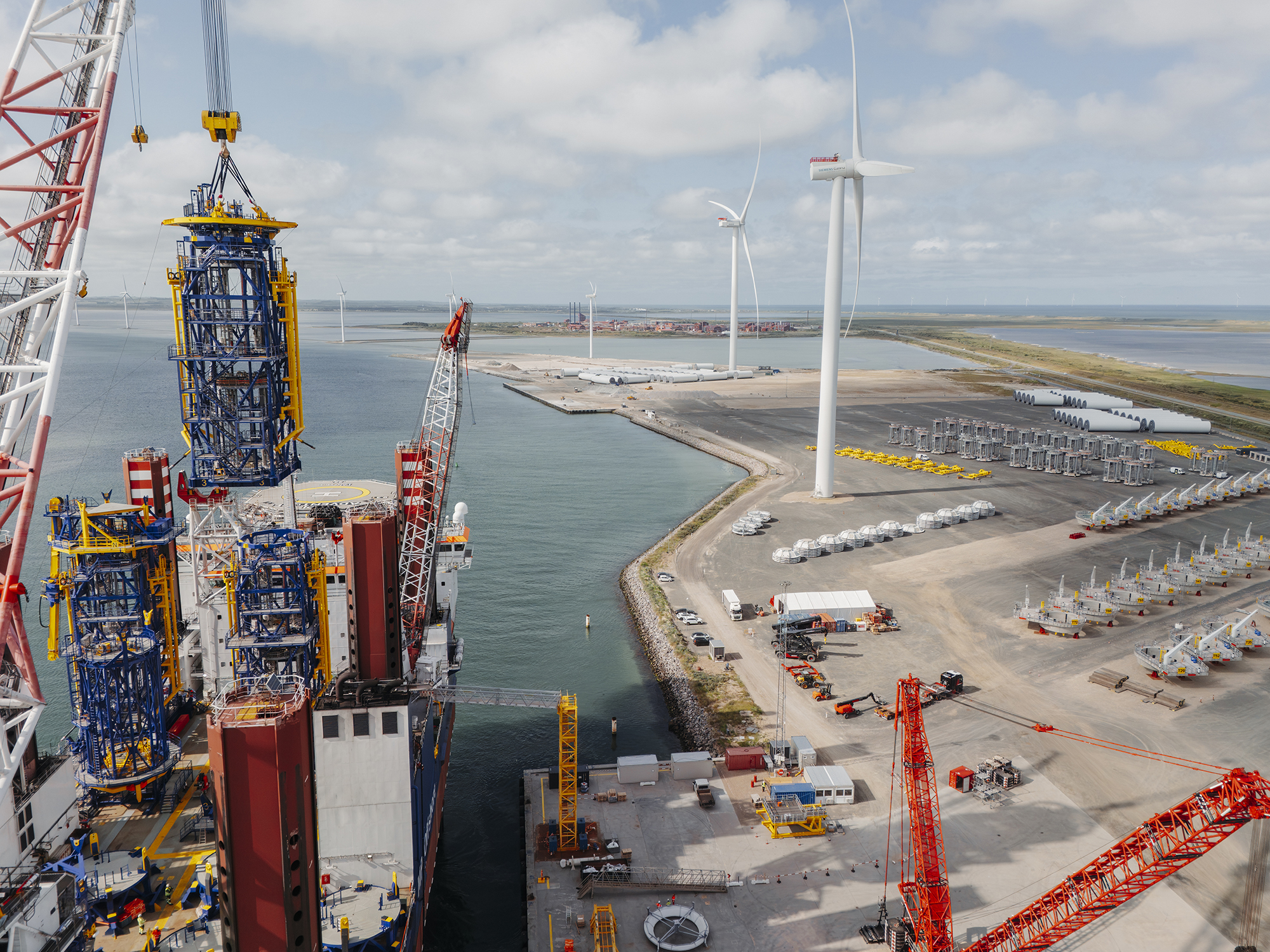
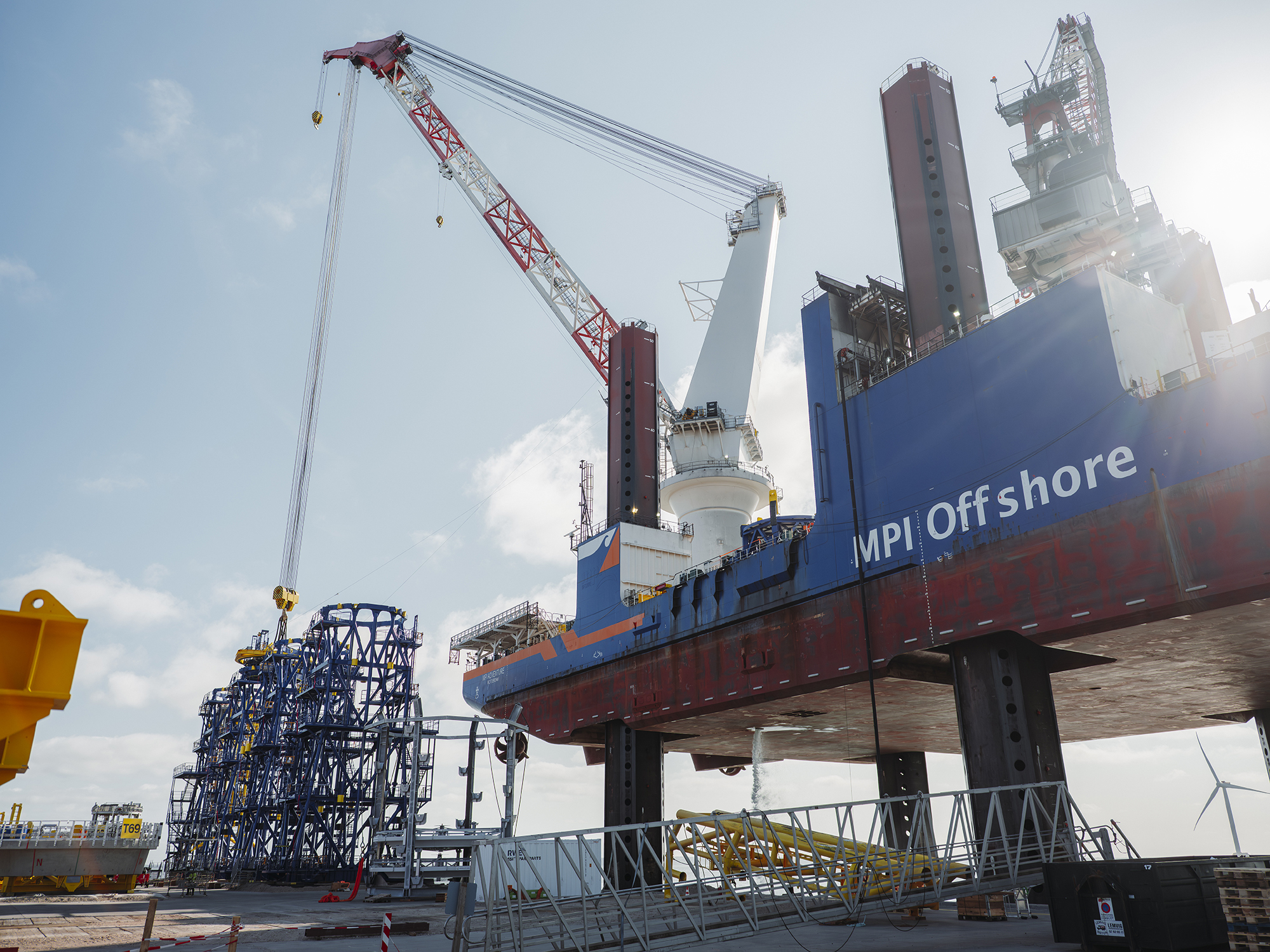
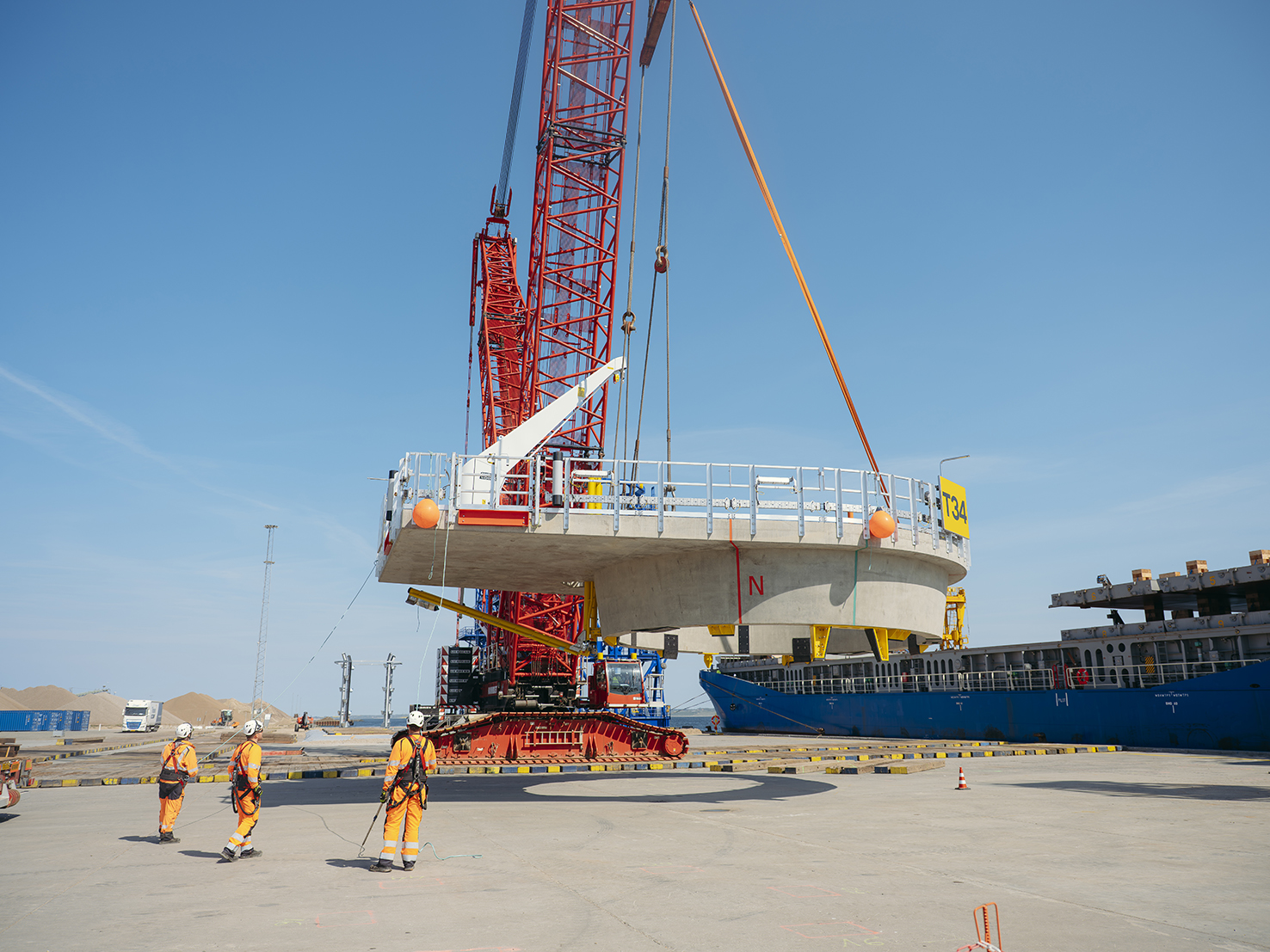
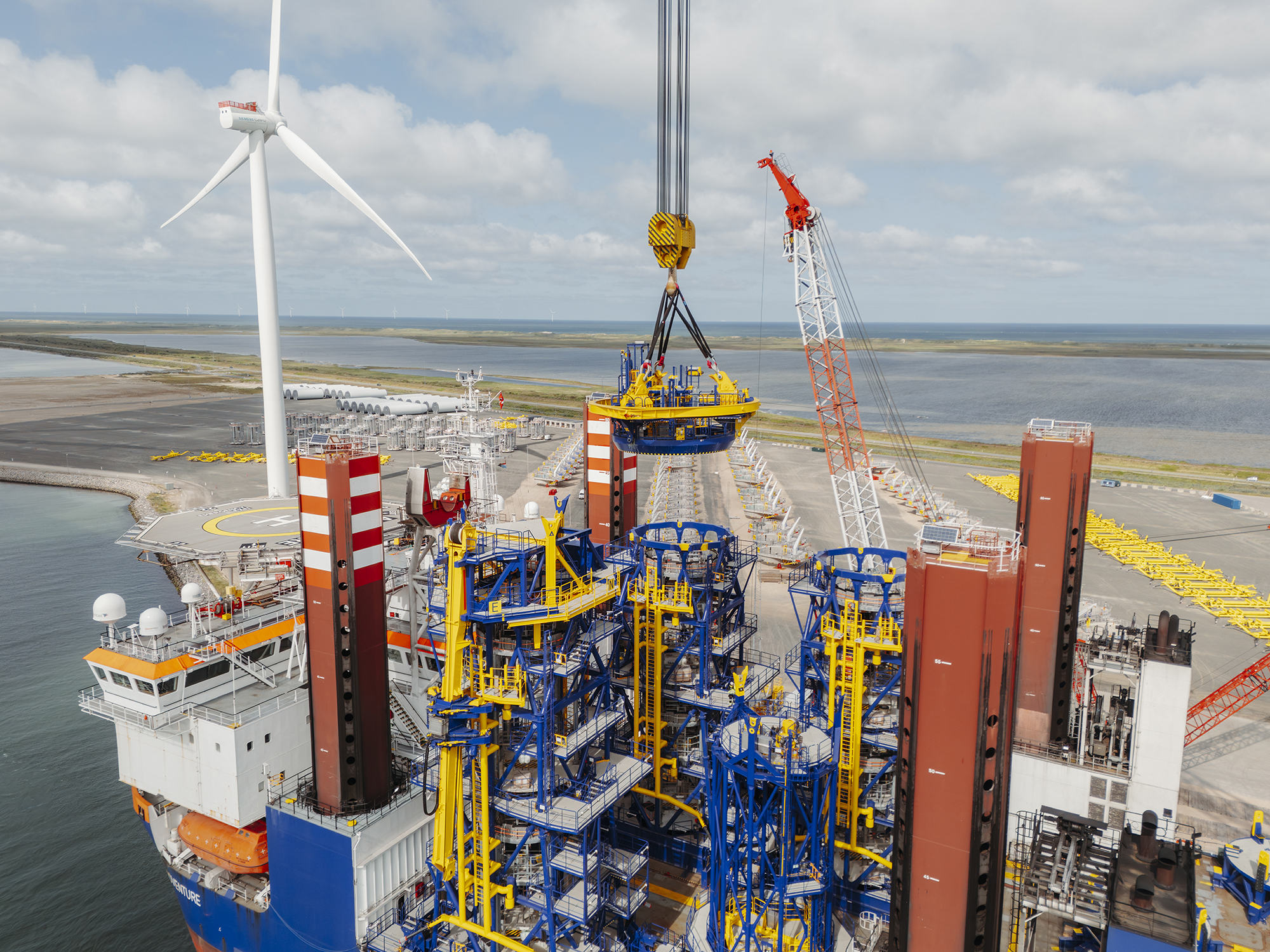
The installation of Denmark’s largest offshore wind farm, Thor, positioned in the North Sea near Thyboron, has had a significant impact on activity levels. The project is owned by RWE Renewable Energy and Norges Bank Investment Management. The components were handled in port by Buss Denmark A/S.
In 2025 alone, offshore wind represented 38% of the port’s total turnover.
This did not happen overnight.
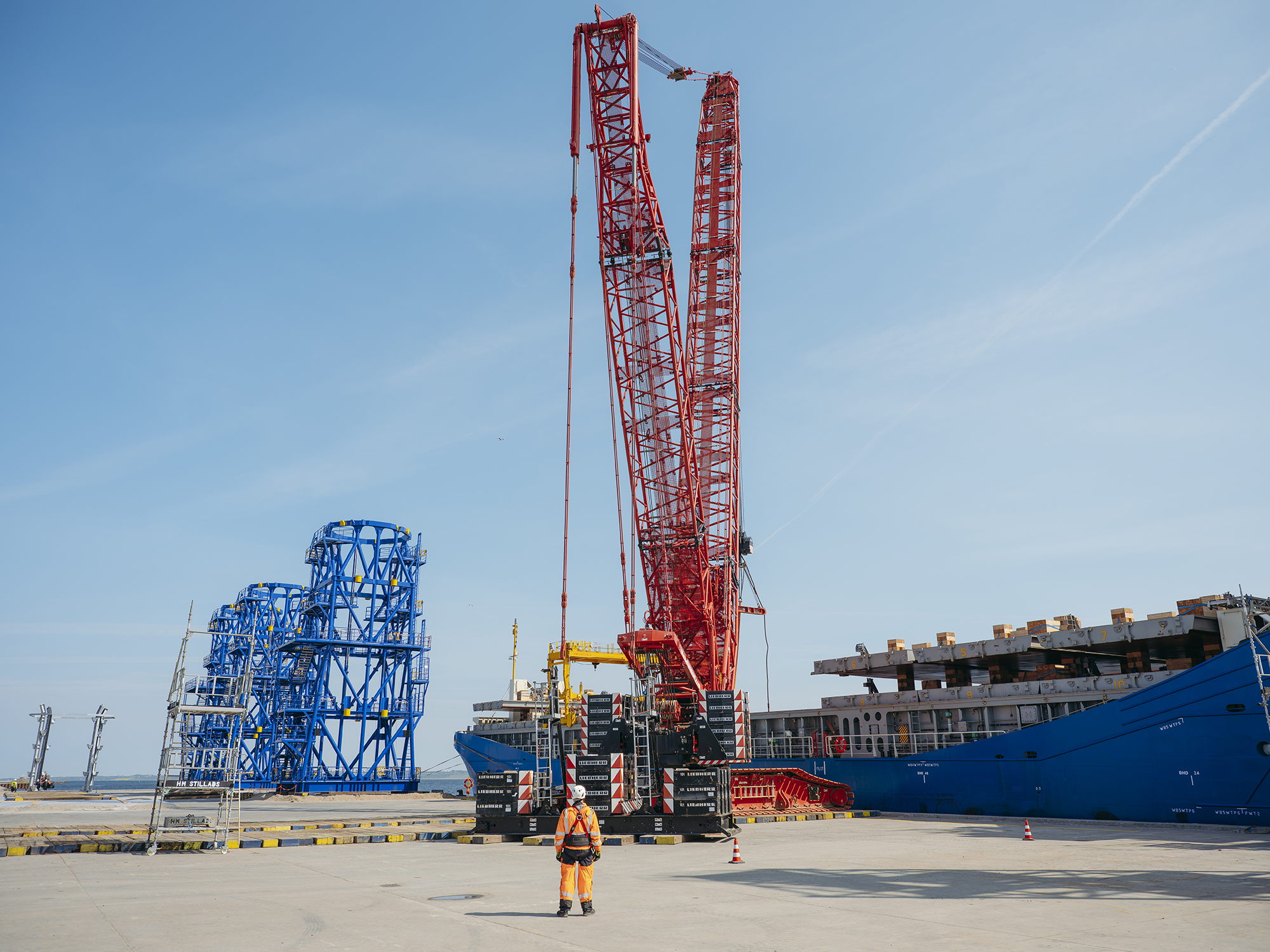
Since 2016, the port has invested in heavy-duty quays, deeper water, reinforced storage areas, documentation, and certification. Step by step, projects have grown in scale — from smaller installations to full marshalling port operations.
In 2025, newly established heavy-duty storage areas were used for secondary structures for Thor. More than 40 local service companies were involved in the installation activities. When offshore wind projects are active, they create measurable economic impact across the region.
There will not be offshore wind projects every year. But when they are present, they strengthen both the port and the local economy.
Fishing remains the DNA
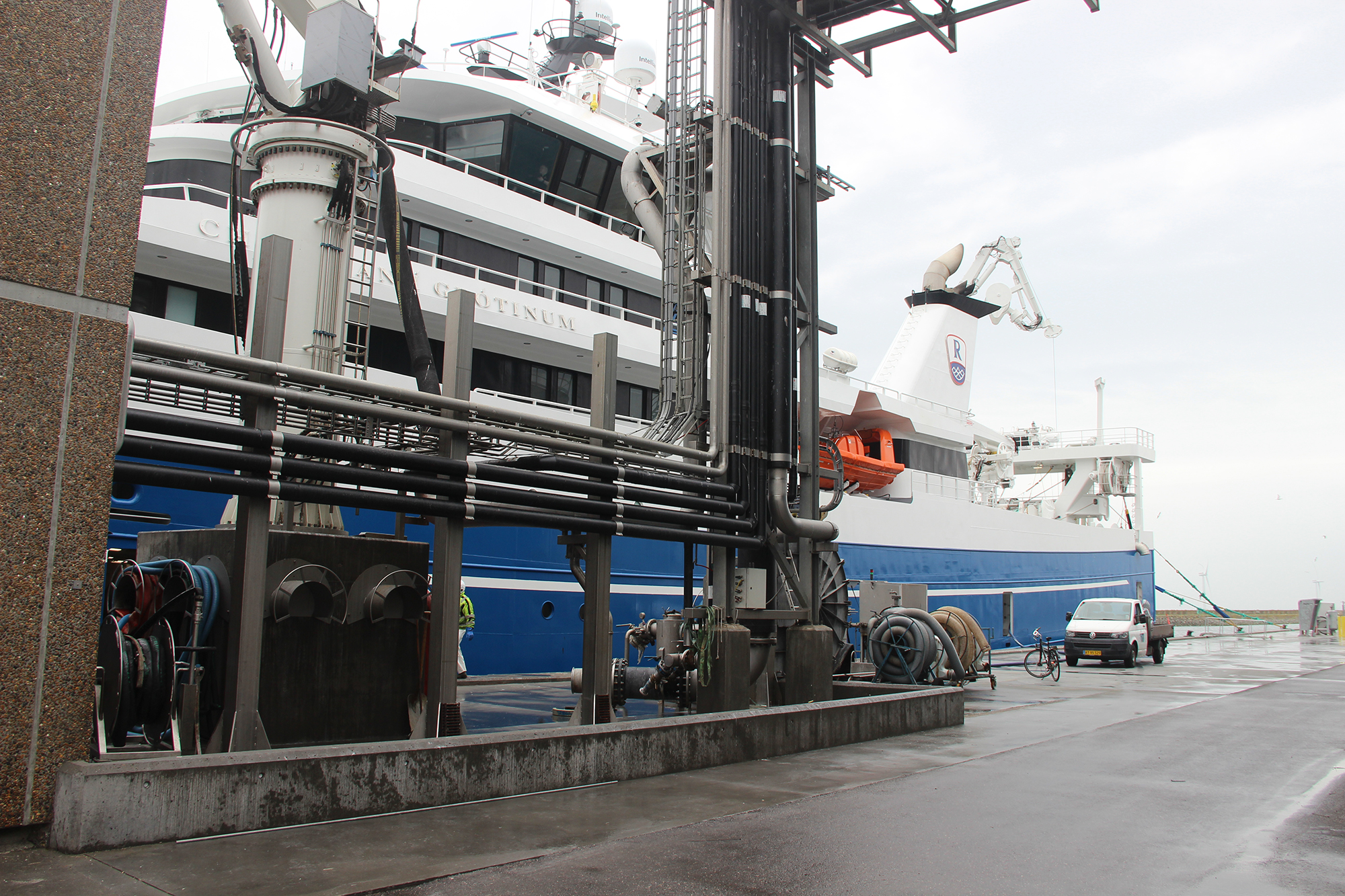
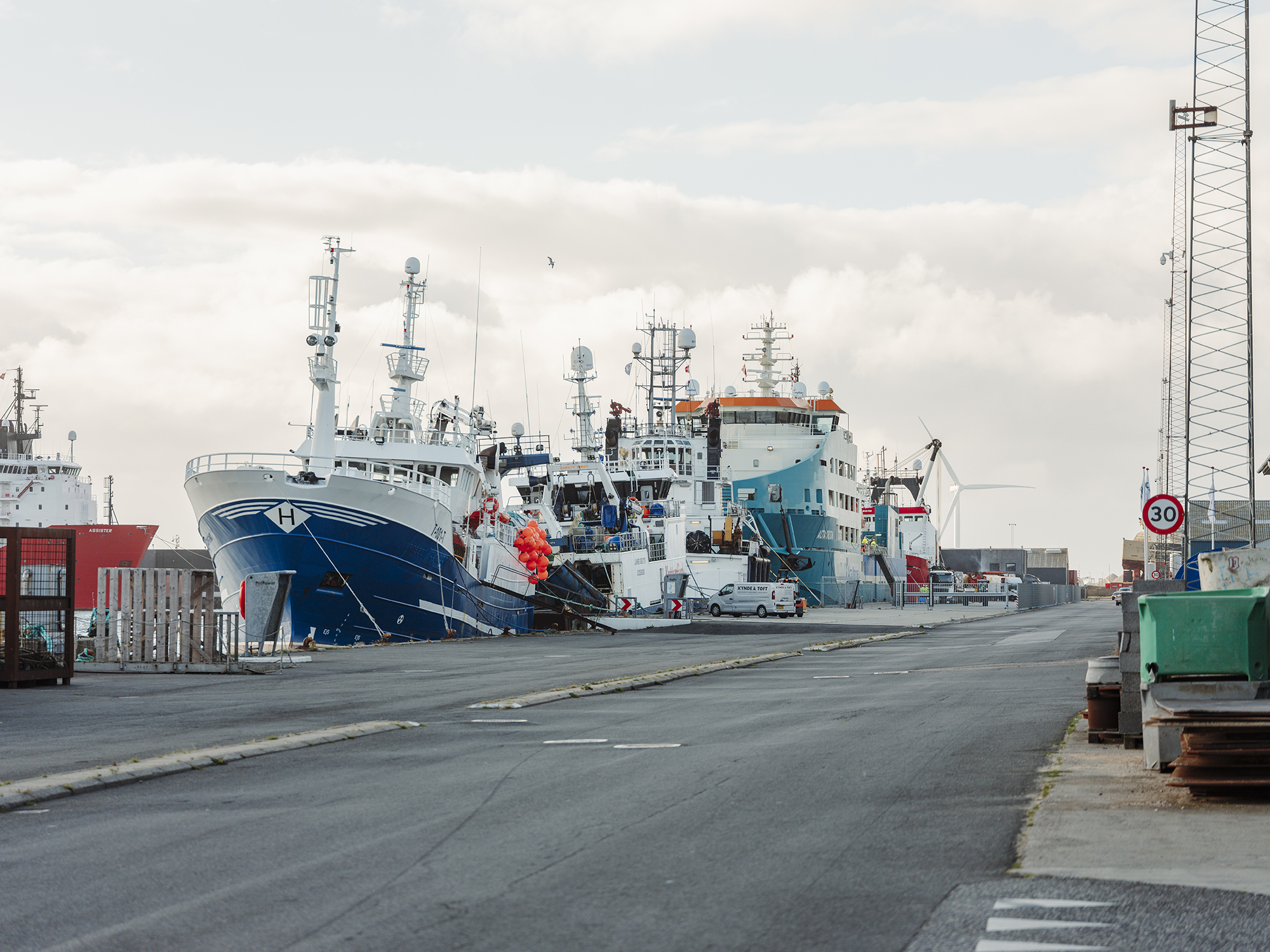
Thyboron remains Denmark’s second largest fishing port.
Industrial fishing for protein fish increased significantly in 2025. Landings to TripleNine A/S rose by 45.3% in volume and 70.9% in value compared to 2024. The direct delivery of fish from vessel to production plant supports both quality and port activity.
Recently, more than 3,600 tons of fish were landed from a single pelagic vessel — the largest landing ever received by the fish meal and fish oil factory TripleNine A/S in Thyboron.
Fishing for human consumption faced a difficult year. Quotas and national CO₂ taxes contributed to a decline of 30.6% in volume and 22.1% in value. The outlook for 2026 remains challenging for this segment.
Despite these conditions, Thyboron Port maintains its position and keeps its roots intact. Fishing remains a core part of the port’s identity and activity base.
Cargo and infrastructure
Total cargo volumes reached 1.55 million tons in 2025, corresponding to levels seen before 2019. Traditional bulk cargo declined due to restructuring among large raw material operators.
At the same time, cargo linked to offshore wind and railway renovation projects increased. Infrastructure investments made over the past decade are now supporting new types of activity.
The strategy remains clear: turnover is reinvested in port infrastructure and expansion. As turbines and foundations grow larger, so do the requirements for water depth, quay strength, and storage capacity. Thyboron Port is positioned to meet these demands.
A shared result
The 2025 result reflects cooperation.
Offshore wind companies. Fishing vessels. Cargo operators. Shipyards. Maritime service providers. Municipal partners. Energy companies.
The port functions as part of a wider network where activity in one segment supports others. This interdependence strengthens resilience.
Thyboron Port continues to develop as a sheltered North Sea port capable of handling large components and in future also large energy volumes. The long-term strategic direction toward offshore wind remains unchanged, while fishing and cargo continue as essential pillars.
Three concrete takeaways
1. Infrastructure investment creates local return. Long-term port development supports both industrial customers and regional employment.
2. Diversification increases resilience. Offshore wind, fishing, and cargo together provide balance in volatile markets.
3. Strategic cooperation matters. Early dialogue between industry, municipalities, and port authorities strengthens future project readiness.
Published Tuesday, February 24, 2026